Featured

Warning Signs While Researching Forgiveness Help for Beginners
Table of Contents
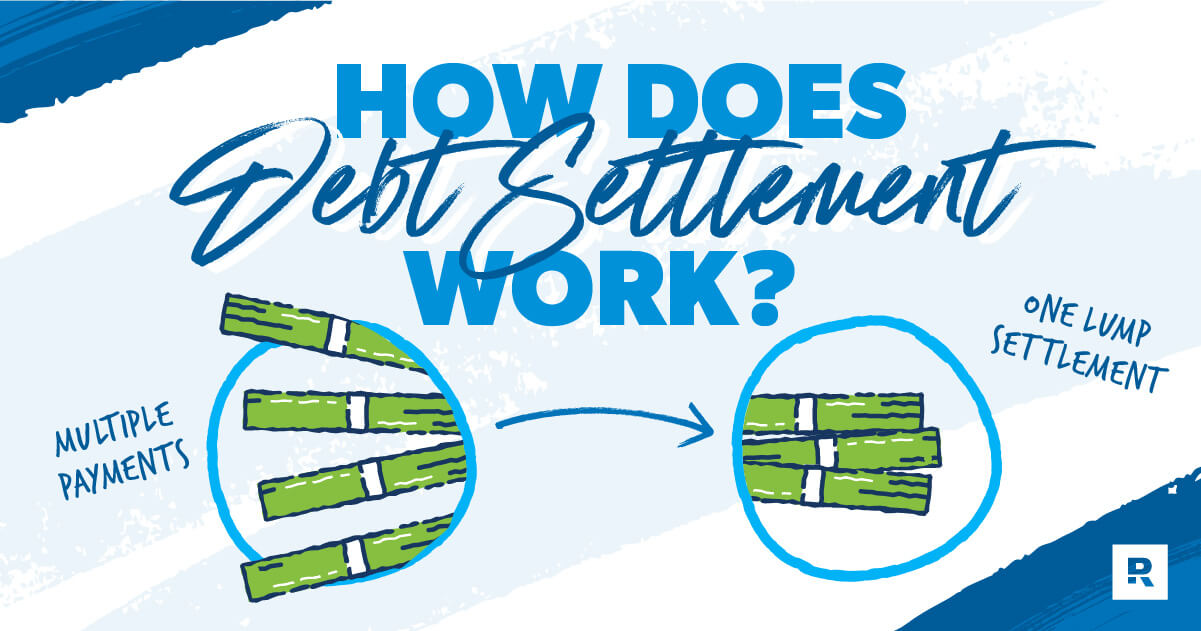
That frees up money in the short-term, and you may have 3 to four years to save towards the settlement quantity. Really dangerous to credit history, primarily due to missed payments and a negative "cleared up" mark that can remain on your credit rating report for as much as 7 yearsMay be just option if other options (financial debt consolidation, balance transfer bank card, financial debt forgiveness) aren't possibleTypically requires a cost to the 3rd party, which can offset some or all of the savings from financial debt settlementMay help you stay clear of bankruptcy if you have actually missed numerous paymentsNot all financial institutions deal with debt negotiation companies Debt mercy may be best for you if you are experiencing a monetary challenge that makes it virtually impossible to pay down your financial debt balances.

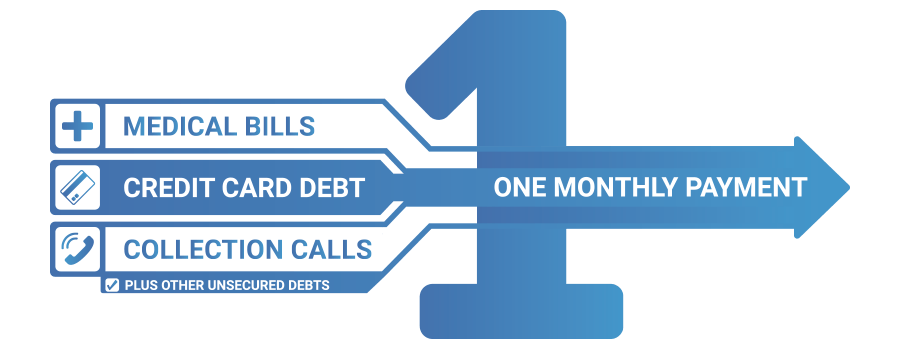
With a DMP, you make one month-to-month payment to the debt therapy company. Those funds are then distributed to lenders of your unprotected financial obligations, such as debt cards and installment loans. The firm collaborates with your lenders to lower rate of interest or waive fees, but some financial institutions might decline such concessions.
It can aid you pay down financial debt if you're able to protect a loan price that's reduced than the average rate of the accounts you're consolidating. You need to avoid from racking up financial obligation on those newly gotten rid of accounts or your financial obligation might grow even higher.
These cards usually offer a 0% rate of interest initial duration of as much as 21 months. That provides you lots of time to remove or dramatically minimize your balance while making interest-free settlements. For some individuals dealing with impossible financial debt, bankruptcy might be the only means to stop collection procedures and legitimately settle their debts.
The Definitive Guide to What to Watch For When Researching a Debt Counseling Provider
You may need it if your financial institution or a collection firm ever tries to gather on the financial debt in the future. When a lender forgives $600 or more, they are required to send you Form 1099-C.
Debt mercy or negotiation often harms your credit scores. Anytime you work out a financial debt for less than you owe, it might appear as "settled" on your debt report and affect your credit report for seven years from the day of negotiation. Your credit can additionally drop considerably in the months resulting in the mercy if you fall behind on settlements.
Unknown Facts About Recent Laws Impacting When a Business Fails: Personal Debt Strategies for Former Small Business Owners Procedures
This scenario often results from underreporting income, not submitting returns on time, or disparities located throughout an IRS audit. The repercussions of collecting tax obligation debt are serious and can consist of tax obligation liens, which provide the Internal revenue service a legal claim to your residential or commercial property as safety and security for the debt.
Greater rates of interest on offered credit rating. Wages and Financial institution Accounts IRS can impose (take) wages and savings account to satisfy the financial obligation. Reduced revenue and interruption of vital financial processes. Property Seizure In extreme situations, the IRS can take and offer residential property to cover the financial debt. Loss of valuable possessions and potential displacement.
Clinical depression, stress and anxiety, and various other mental health and wellness issues. Social Preconception Encountering lawsuit from the internal revenue service can lug social preconception. Damage to reputation and partnerships. Employment Opportunities A poor debt rating as a result of strain debt can limit work chances. Problem searching for or maintaining a task. Government Benefits Tax financial obligation might influence qualification for federal government benefits, such as Social Security and Medicaid.
Unknown Facts About How Debt Counselors Operate to Secure Debt Freedom
The OIC considers numerous factors, including the taxpayer's revenue, expenses, property equity, and ability to pay. Efficiently negotiating an OIC can be complicated, requiring a comprehensive understanding of the internal revenue service's guidelines and a solid debate for why your deal lines up with your ability to pay. It is very important to keep in mind that not all applications are accepted, and the procedure calls for comprehensive financial disclosure.
The internal revenue service evaluates your total economic circumstance, including your income, expenses, asset equity, and capability to pay. You have to also be present with all declaring and payment requirements and not be in an open insolvency case. The IRS likewise considers your conformity history, examining whether you have a record of timely filing and paying tax obligations in previous years.
Getting The Complimentary Learning When a Business Fails: Personal Debt Strategies for Former Small Business Owners Materials Provided by APFSC To Work
The application procedure for a Deal in Concession includes a number of comprehensive steps. Initially, you should finish and send internal revenue service Type 656, the Deal in Concession application, and Kind 433-A (OIC), a collection information statement for individuals. These kinds require thorough financial info, including information regarding your income, financial debts, expenses, and properties.
Back taxes, which are unsettled tax obligations from previous years, can dramatically raise your overall internal revenue service financial obligation if not addressed promptly. This debt can accrue interest and late repayment charges, making the initial quantity owed a lot larger gradually. Failure to pay back tax obligations can result in the internal revenue service taking enforcement actions, such as releasing a tax lien or levy versus your property.
It is essential to attend to back tax obligations immediately, either by paying the sum total owed or by arranging a payment plan with the internal revenue service. By taking aggressive steps, you can prevent the buildup of extra rate of interest and penalties, and protect against more hostile collection activities by the internal revenue service.
One usual reason is the idea that the taxpayer can pay the complete amount either as a swelling amount or via a repayment strategy. The IRS also takes into consideration the taxpayer's income, costs, property equity, and future earning possibility. If these variables indicate that the taxpayer can afford to pay greater than the supplied amount, the IRS is likely to decline the deal.
Not known Factual Statements About Finding Support for Anyone's When a Business Fails: Personal Debt Strategies for Former Small Business Owners Journey
Dealing with IRS debt can be complex and daunting. Tax professionals, such as CPAs, tax obligation lawyers, or registered representatives, can offer very useful aid.

Table of Contents
Latest Posts
The Basic Principles Of How Delaying Your Debt Problems Will Cost You

How Rebuilding Personal Credit Rating Following Financial counseling for veterans in South Carolina who have multiple high interest debts can Save You Time, Stress, and Money.

The 20-Second Trick For This Organization Method with Individuals
More
Latest Posts
The Basic Principles Of How Delaying Your Debt Problems Will Cost You
The 20-Second Trick For This Organization Method with Individuals